Discover Solar Energy for Homes: How It Powers Your Home
- Sunvibe Solar

- Apr 27
- 4 min read
Switching to solar energy is more than just a trend. It’s a smart move for anyone looking to cut energy costs and reduce their carbon footprint. I’ve spent time learning about solar power and how it can transform a home’s energy use. In this post, I’ll walk you through the basics of solar energy for homes, explain how it works, and share some practical tips to help you decide if it’s right for your property.
Understanding Solar Energy for Homes
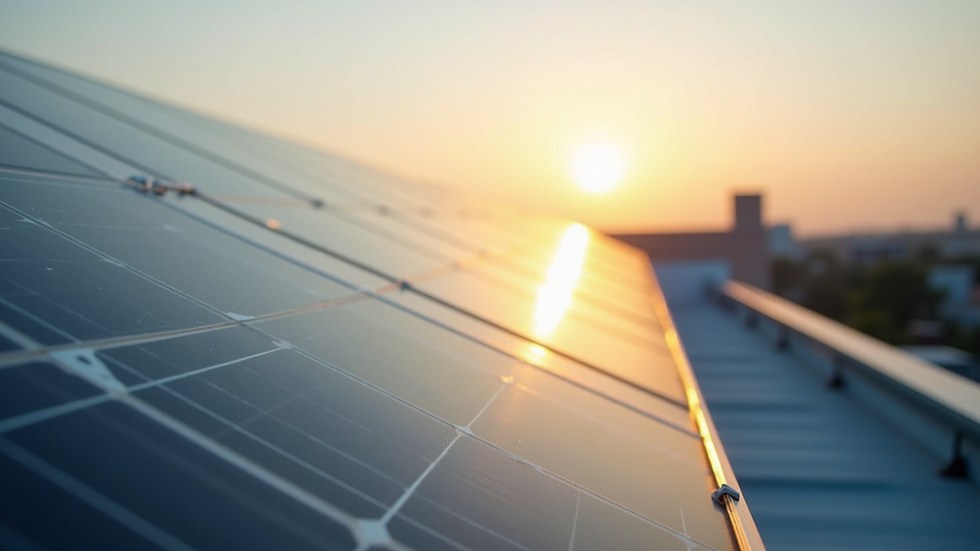
Solar energy comes from the sun’s rays. It’s clean, renewable, and abundant. When sunlight hits solar panels installed on your roof or property, it’s converted into electricity. This electricity can power everything in your home—from lights and appliances to heating and cooling systems.
The process starts with photovoltaic (PV) cells inside the solar panels. These cells absorb sunlight and generate direct current (DC) electricity. Since most homes use alternating current (AC), an inverter converts the DC into AC. This electricity then flows into your home’s electrical panel, ready to power your devices.
One of the best parts about solar energy is that it can reduce your reliance on the grid. When your panels produce more electricity than you use, the excess can be sent back to the grid, often earning you credits or payments from your utility company. This system is called net metering and can help lower your energy bills even further.

Why Solar Energy for Homes Makes Sense
There are many reasons to consider solar energy for your home. Here are some of the key benefits:
Lower Energy Bills: Solar panels generate free electricity from the sun. Over time, this can significantly reduce your monthly utility costs.
Energy Independence: Producing your own power means you’re less affected by rising energy prices or outages.
Environmental Impact: Solar energy produces no greenhouse gases or pollution. It’s a clean way to power your home.
Increased Property Value: Homes with solar systems often sell faster and at higher prices.
Government Incentives: In Southern Ontario, there are programs and rebates that can help offset installation costs.
If you’re curious about the technical side, you can learn more about how solar works for my home to see the step-by-step process and what to expect during installation.
What is the Biggest Drawback to Solar Power?
While solar energy has many advantages, it’s important to consider some challenges:
Initial Cost: Installing solar panels requires an upfront investment. Although prices have dropped over the years, it can still be a significant expense.
Weather Dependence: Solar panels work best in sunny conditions. Cloudy days and winter months can reduce energy production.
Space Requirements: You need enough roof space or land to install a system that meets your energy needs.
Energy Storage: To use solar power at night or during outages, you’ll need batteries, which add to the cost and maintenance.
Maintenance: Solar panels require occasional cleaning and inspections to keep them efficient.
Despite these drawbacks, many property owners find that the long-term savings and environmental benefits outweigh the initial hurdles.

How to Get Started with Solar Energy at Your Property
If you’re ready to explore solar energy, here’s a simple plan to get started:
Assess Your Energy Use: Look at your past electricity bills to understand how much power you consume.
Evaluate Your Property: Check your roof’s size, orientation, and shading. South-facing roofs with minimal shade are ideal.
Consult a Solar Expert: A professional can design a system tailored to your needs and provide a cost estimate.
Explore Financing Options: Many companies offer loans, leases, or power purchase agreements to make solar more affordable.
Apply for Incentives: Check local and provincial programs for rebates or tax credits.
Schedule Installation: Once you approve the plan, the installation team will set up your system, usually within a few days.
Monitor and Maintain: Use monitoring tools to track your system’s performance and schedule regular maintenance.
Taking these steps can help you make an informed decision and enjoy the benefits of solar energy sooner.
The Future of Solar Energy in Southern Ontario
Solar technology keeps improving. Panels are becoming more efficient, and battery storage is getting better and more affordable. For property owners in Southern Ontario, this means more opportunities to achieve energy independence and contribute to a cleaner environment.
Municipal and educational institutions are also adopting solar solutions, showing that solar energy is not just for homes but for larger properties too. As more people switch to solar, the community benefits from reduced pollution and a more resilient energy grid.
If you want to be part of this change, now is a great time to explore solar options. Whether you own a single-family home, a commercial building, or a multi-unit property, solar energy can help you save money and reduce your environmental impact.
Switching to solar energy is a journey worth taking. It’s about more than just saving money—it’s about creating a sustainable future for your home and community. If you’re curious about the details, don’t hesitate to learn more about how solar works for my home and take the first step toward energy independence today.


Comments