Key Steps in Solar Panel Operation Breakdown
- Sunvibe Solar

- Mar 31
- 4 min read
Solar energy is becoming a popular choice for powering homes and businesses. It’s clean, renewable, and can save money in the long run. But how exactly do solar panels work? Understanding the key steps in solar panel operation can help you make informed decisions about installing solar systems. Let’s dive into the process and break it down in simple terms.
Understanding the Solar Panel Operation Breakdown
Solar panels convert sunlight into electricity through a series of steps. At the heart of this process are photovoltaic (PV) cells, which capture sunlight and turn it into usable power. Here’s a quick overview of the main stages:
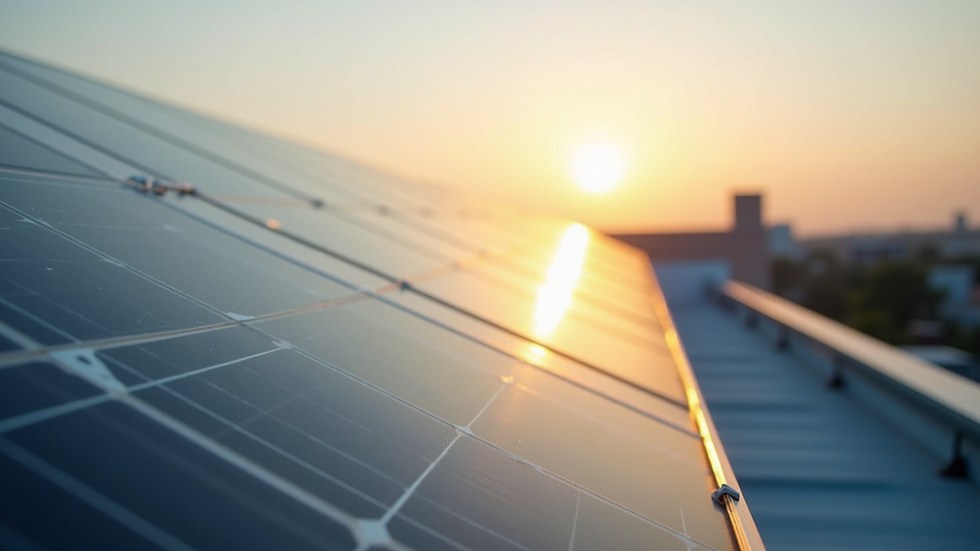
Sunlight hits the solar panels - The panels are made of many small PV cells that absorb sunlight.
PV cells generate direct current (DC) electricity - The sunlight excites electrons in the cells, creating an electric current.
Inverter converts DC to alternating current (AC) - Since most homes and businesses use AC power, the inverter changes the electricity to the right form.
Electricity powers your property - The AC electricity flows into your electrical panel to power lights, appliances, and devices.
Excess energy is stored or sent back to the grid - Extra electricity can be stored in batteries or fed back to the utility grid for credits.
This breakdown helps you see how solar panels fit into your energy system. If you want a detailed explanation, check out this guide on how solar panels work step by step.

How Solar Panels Capture and Convert Sunlight
The first step in solar panel operation is capturing sunlight. Solar panels are made of silicon-based PV cells. When sunlight hits these cells, it excites electrons, creating an electric current. This process is called the photovoltaic effect.
Each panel contains many cells connected in series and parallel to increase voltage and current. The more sunlight the panels receive, the more electricity they generate. That’s why panel placement and angle are crucial. In Southern Ontario, panels are usually tilted to maximize sun exposure throughout the year.
The electricity generated at this stage is direct current (DC). However, most buildings use alternating current (AC), so the next step is converting this power.
How Many Solar Panels Do I Need to Run a TV?
If you’re wondering about powering specific devices, like a TV, it’s helpful to know how many solar panels you might need. A typical LED TV uses about 100 watts per hour. If you watch TV for 4 hours a day, that’s 400 watt-hours daily.
A standard solar panel produces around 300 watts under ideal conditions. But since sunlight varies, you can expect about 4-5 hours of effective sunlight daily in Southern Ontario. That means one panel can generate roughly 1,200 to 1,500 watt-hours per day.
So, to run a TV for 4 hours daily, one solar panel is usually enough. But keep in mind, this is a simplified example. Your total energy needs, battery storage, and other appliances will affect the number of panels required.

The Role of the Inverter in Solar Panel Operation
After the solar panels generate DC electricity, it needs to be converted to AC electricity. This is where the inverter comes in. The inverter is a key component in solar panel operation.
It takes the DC power from the panels and converts it into AC power that your home or business can use. Without the inverter, the electricity wouldn’t be compatible with your electrical system.
There are different types of inverters:
String inverters - Connect a series of panels and convert their combined output.
Microinverters - Installed on each panel, optimizing performance individually.
Hybrid inverters - Manage both solar power and battery storage.
Choosing the right inverter depends on your system size, budget, and energy goals.
Managing Excess Energy: Storage and Grid Connection
Solar panels often produce more electricity than you need during sunny days. What happens to this extra power? There are two main options:
Battery storage - Excess energy is stored in batteries for use when the sun isn’t shining. This is great for energy independence and backup power.
Grid-tied systems - Extra electricity is sent back to the utility grid. You get credits or payments through net metering programs.
In Southern Ontario, many property owners benefit from grid-tied systems because of the region’s reliable utility infrastructure. However, adding battery storage is becoming more popular for those aiming for net-zero living.
Maintaining Your Solar Panels for Optimal Operation
Solar panels are low-maintenance, but regular care helps keep them efficient. Here are some tips:
Clean panels periodically - Dust, leaves, and snow can reduce sunlight absorption.
Inspect for damage - Check for cracks or loose wiring.
Monitor system performance - Use monitoring apps or devices to track energy production.
Trim nearby trees - Ensure panels get maximum sunlight without shade.
Proper maintenance extends the life of your solar system and maximizes your energy savings.
Taking the Next Step Toward Energy Independence
Understanding the key steps in solar panel operation is the first step toward making solar power work for you. From capturing sunlight to converting and managing electricity, each part plays a vital role.
If you’re considering solar for your property, think about your energy needs, roof space, and budget. Working with a trusted partner can help you design a system tailored to your goals.
Solar energy offers a path to reduce your carbon footprint and gain control over your energy costs. With the right setup, you can enjoy clean, reliable power for years to come.


Comments