Understanding the Solar Panel Energy Process: A Step-by-Step Guide
- Sunvibe Solar

- Apr 22
- 4 min read
Solar energy is becoming a popular choice for property owners who want to reduce their energy bills and shrink their carbon footprint. If you’ve ever wondered how sunlight turns into electricity powering your home or business, you’re in the right place. I’ll walk you through the solar panel energy process in simple terms, breaking down each step so you can see how this clean energy source works.
How Solar Panel Energy Process Converts Sunlight to Power
At its core, solar energy relies on panels made of many small units called photovoltaic (PV) cells. These cells capture sunlight and convert it into electricity. Here’s a quick overview of the process:
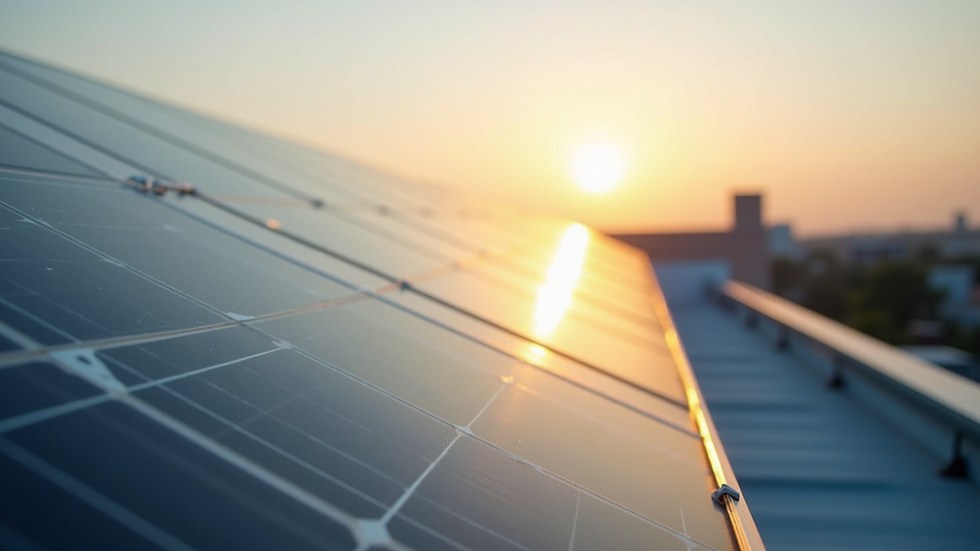
Sunlight hits the solar panels. The panels are installed on rooftops or open spaces where they get maximum sun exposure.
PV cells absorb sunlight. The cells contain semiconductor materials, usually silicon, that react to sunlight.
Electric current is generated. The sunlight excites electrons in the silicon, creating a flow of electricity.
Electricity flows to an inverter. The inverter changes the direct current (DC) electricity into alternating current (AC), which is what your home or business uses.
Power is used or stored. The electricity powers your property, and any extra can be stored in batteries or sent back to the grid.
This process is clean, quiet, and sustainable. It’s a smart way to take control of your energy needs while helping the environment.

Breaking Down the Solar Panel Energy Process Step by Step
Let’s dive deeper into each stage of the solar panel energy process. Understanding these steps can help you make informed decisions about installing solar panels on your property.
1. Capturing Sunlight
Solar panels are made up of many PV cells arranged in a grid. These cells are designed to absorb sunlight efficiently. The more sunlight they get, the more electricity they can produce. That’s why proper placement and angle of the panels are crucial. In Southern Ontario, panels are usually tilted to face south to maximize sun exposure throughout the year.
2. Generating Electricity in PV Cells
Inside each PV cell, sunlight knocks electrons loose from atoms in the silicon. This movement of electrons creates an electric current. The cells have built-in electric fields that push these electrons in a specific direction, creating a flow of electricity.
3. Converting DC to AC Power
The electricity generated by the PV cells is direct current (DC). However, most homes and businesses use alternating current (AC). This is where the inverter comes in. It converts DC electricity into AC electricity, making it compatible with your electrical system.
4. Using and Storing Electricity
Once converted, the electricity powers your lights, appliances, and equipment. If your system produces more electricity than you need, the excess can be stored in batteries for later use or sent back to the grid. This can earn you credits or reduce your energy bills through net metering programs.
5. Monitoring and Maintenance
Modern solar systems come with monitoring tools that let you track energy production and usage. Regular maintenance, like cleaning panels and checking connections, ensures your system runs efficiently for years.
If you want a detailed walkthrough, check out this how solar panels work step by step guide for more insights.

What is the 20% Rule for Solar Panels?
You might have heard about the “20% rule” when it comes to solar panels. This rule is a simple guideline to help you understand how much energy your solar system can realistically produce compared to your total energy needs.
The 20% rule suggests that your solar panels should cover at least 20% of your property’s energy consumption to make a noticeable impact on your electricity bills. Why 20%? Because it’s a manageable target that balances cost and benefit for most homeowners and businesses.
For example, if your monthly electricity use is 1,000 kWh, installing a solar system that generates around 200 kWh per month can significantly reduce your bills. It’s not about going 100% solar overnight but making steady progress toward energy independence.
This rule also helps when planning system size and budget. It encourages you to start with a system that fits your property and energy goals without overspending.
Practical Tips for Maximizing Solar Panel Efficiency
Installing solar panels is just the beginning. To get the most out of your system, consider these practical tips:
Choose the right location. Panels should face south and be free from shade caused by trees or buildings.
Keep panels clean. Dirt and debris can reduce efficiency. Regular cleaning helps maintain performance.
Monitor your system. Use apps or monitoring tools to track energy production and spot issues early.
Consider battery storage. Batteries let you store excess energy for use during cloudy days or at night.
Schedule maintenance. Have a professional check your system annually to ensure everything is working well.
By following these tips, you can extend the life of your solar panels and enjoy consistent energy savings.
Why Solar Energy is a Smart Investment for Property Owners in Southern Ontario
Southern Ontario gets a good amount of sunlight throughout the year, making it an ideal place for solar energy. Here’s why investing in solar panels makes sense:
Lower energy bills. Solar power reduces your reliance on the grid, cutting monthly costs.
Energy independence. Generate your own electricity and protect yourself from rising energy prices.
Environmental benefits. Solar energy is clean and renewable, helping reduce greenhouse gas emissions.
Increase property value. Solar panels can boost your property’s market appeal.
Government incentives. Various programs offer rebates and tax credits to make solar more affordable.
For commercial properties and multi-unit buildings, solar energy can also improve sustainability credentials and attract eco-conscious tenants or customers.
Taking the Next Step Toward Solar Energy
If you’re ready to explore solar energy for your property, start by assessing your energy needs and roof space. Consult with a trusted solar provider who understands the local climate and regulations. They can help design a system tailored to your goals and budget.
Remember, solar energy is a long-term investment that pays off over time. With the right setup and care, you can enjoy clean, reliable power for decades.
By understanding the solar panel energy process, you’re better equipped to make smart choices and embrace a greener future.
If you want to learn more about the detailed workings, check out this how solar panels work step by step resource for a comprehensive explanation.


Comments